 Call us on
021 4975201

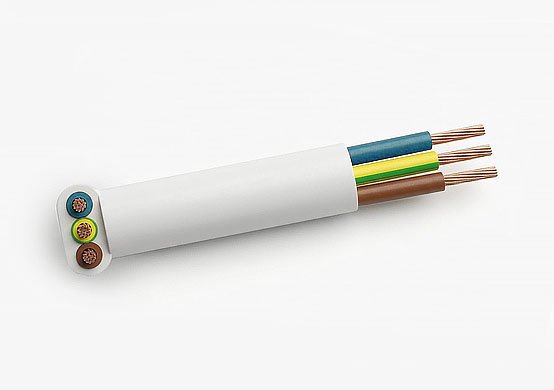
Electrical cables are defined by their intended installation environment. Our available ranges are designed for fixed domestic setups, flexible appliance connections, screened control circuits, and heavier-duty outdoor runs. Whether your project requires data lines, solar infrastructure, or specialist public lighting connections, selecting the correct construction ensures the circuit handles the physical and electrical demands of the site.
Frequently Asked Questions
What is the difference between LSF and standard PVC electrical cables?
LSF (Low Smoke and Fume) cables are engineered to produce significantly less smoke and toxic gas during a fire compared to standard PVC cables. While PVC is commonly used for domestic wiring, LSF is the preferred choice for commercial buildings and public spaces where ensuring a safer evacuation is critical. Our extensive product selection includes high-quality options for both applications.
Which type of cable is best for outdoor or underground use?
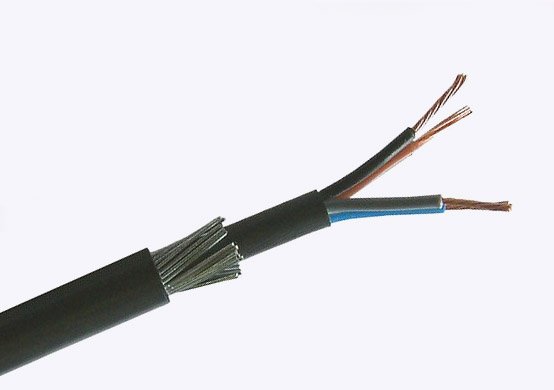
For underground and exposed outdoor installations, Steel Wire Armoured (SWA) cable is the ideal choice. Its steel wire layer provides robust mechanical protection against impact, crushing, and soil pressure. In contrast, standard flex and Twin & Earth cables typically require a conduit for similar protection. If you're unsure which cable is right for your project, our team is available to provide expert technical support.
When should I choose screened flex (SY) cable over standard flex?
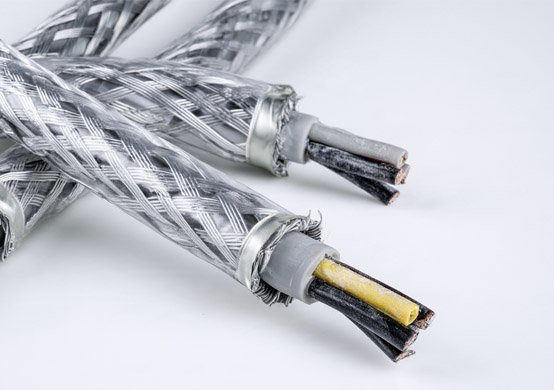
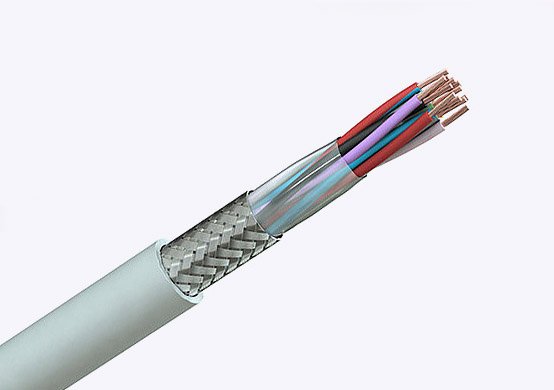
You should choose screened flex (SY) cable when you need to reduce electromagnetic interference (EMI) and protect signal integrity. While standard circular flex is suitable for general power applications, SY cable features a galvanised steel braid for added protection, making it essential for use near motors, in industrial settings, or alongside high-voltage equipment. We offer this specialist cable at competitive prices to suit your project's budget.
What are the benefits of H07RN-F rubber flex cable?
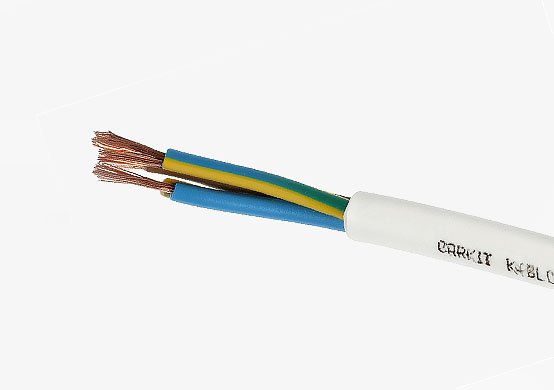
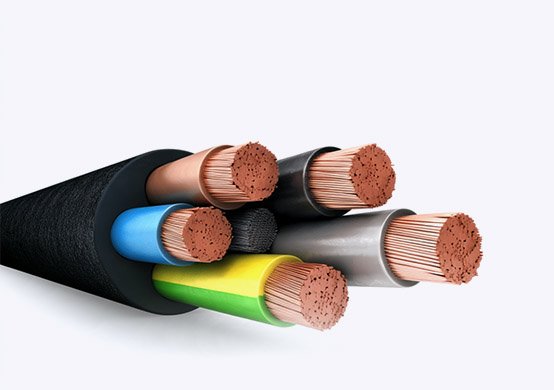
H07RN-F rubber flex is designed for heavy-duty use, offering excellent resistance to oils, grease, and mechanical stress. Its durable rubber outer jacket remains flexible even in low temperatures and is better suited to rough site conditions than standard PVC flex. This makes it a popular choice for power tools and mobile power supplies, available with fast 24-hour dispatch for when you need it on site quickly.
Can NYM-J cable be used for domestic fixed wiring?
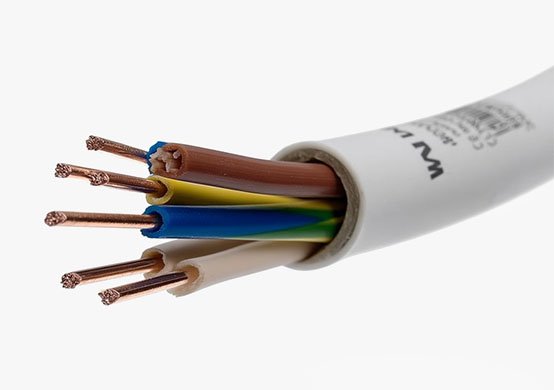
Yes, NYM-J cable is specifically designed for fixed wiring installations in both domestic and commercial buildings. It is suitable for installation on, in, or under plaster, as well as within masonry or concrete. However, it must not be buried directly in the ground without the protection of a suitable conduit or duct. For further guidance on specific applications, our technical support team is always ready to assist.
Choosing the right electrical cable for domestic and industrial applications
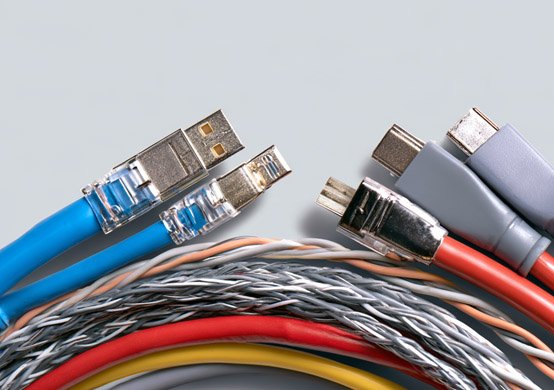
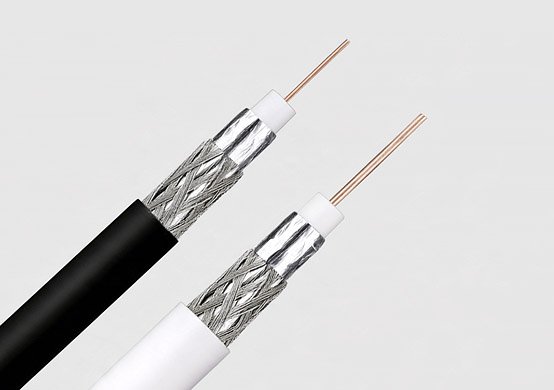
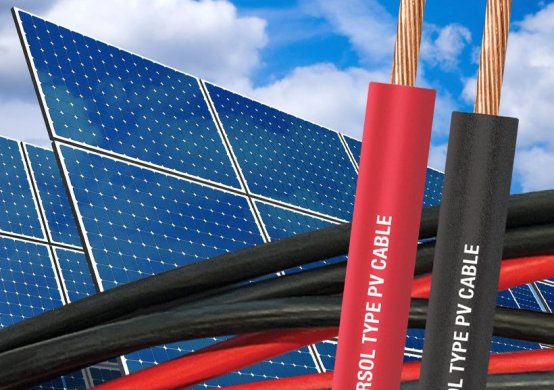
Matching the conductor's construction to the specific application is essential. Fixed domestic wiring requires different mechanical properties compared to the flexible connections used for mobile appliances. For signal and control runs, variants like screened flex or LUCY provide the necessary shielding against interference. Outdoor or underground installations demand armoured SWA lines that offer physical protection against impact and crushing, rather than just weather resistance. Specialist applications require dedicated variants, such as solar PV wiring for power generation setups or specific data lines for network infrastructure.
Cable size and core count: selecting single-wire and multicore flexible cable
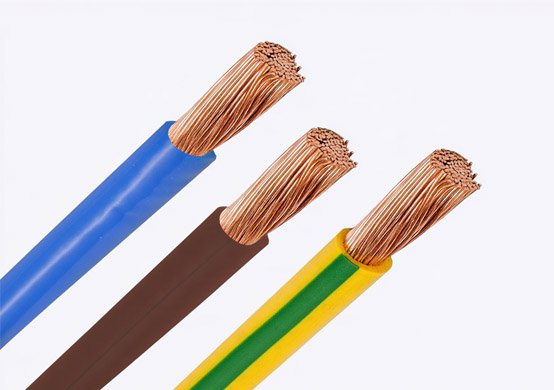
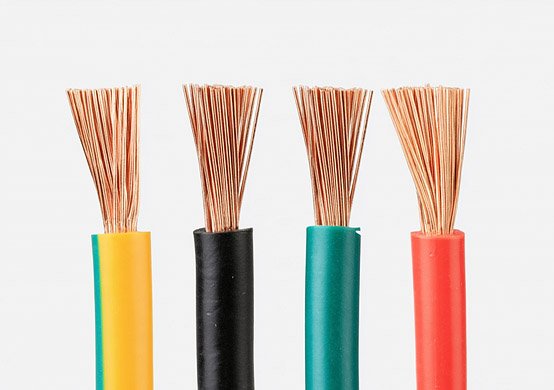
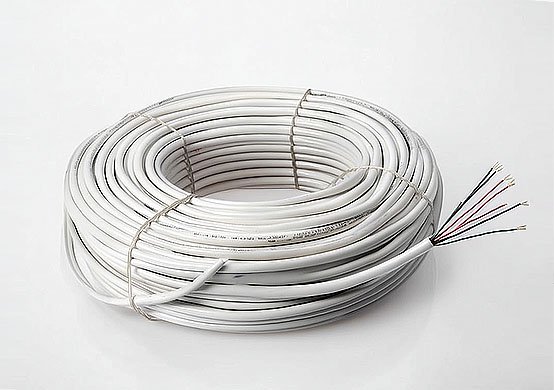
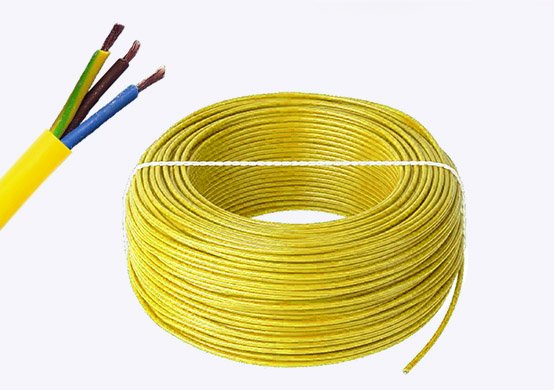
The conductor size and the number of cores directly impact the current capacity, voltage drop, and physical flexibility of the installation. Options range from single-core conduit wires to multicore flexible variants, depending on whether the setup is a simple home lighting circuit or an equipment connection needing multiple conductors.
- Core count: Determined by the circuit design, this is essential for signal and control applications where multiple pathways are required within one jacket.
- Conductor size: Larger cross-sectional areas are necessary for longer runs where voltage drop becomes a factor, or for heavier industrial loads. Smaller sizes suit typical light-duty domestic circuits.
Low smoke fume electrical wire, screening and heavy-duty protection
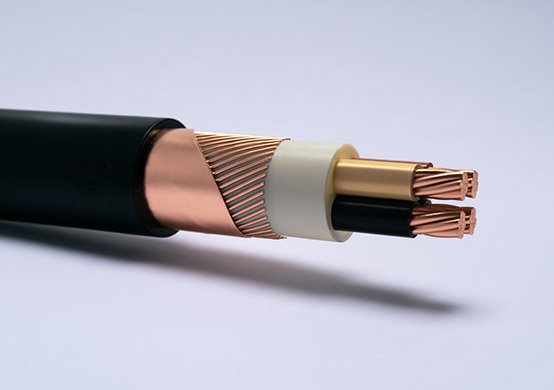
The outer jacket and internal shielding adapt the wire to different safety and environmental demands. Low Smoke Fume (LSF) variants are used in building installations where reducing smoke emissions is prioritised. For tougher environments requiring continuous movement under stress, heavy-duty rubber flex provides the necessary resilience. When routing signal circuits near sources of electrical noise, screened constructions maintain data integrity. Conversely, armoured constructions feature robust physical layers to protect against impact and crushing in exposed routes.
With options supporting indoor, outdoor, underground, industrial, and cold-weather use, our selection covers standard power distribution as well as specialist data and alarm lines. Assessing the exact physical routing - such as exposure to freezing temperatures or electrical noise - determines whether a standard, screened, armoured, or Arctic flex jacket is required.