 Call us on
021 4975201

QtyAdd to Cart
Our selection of small home dehumidifiers features compact models designed to tackle damp, condensation, and indoor drying needs. Choosing a unit that matches your space is the first step towards effectively controlling moisture in flats and smaller rooms.
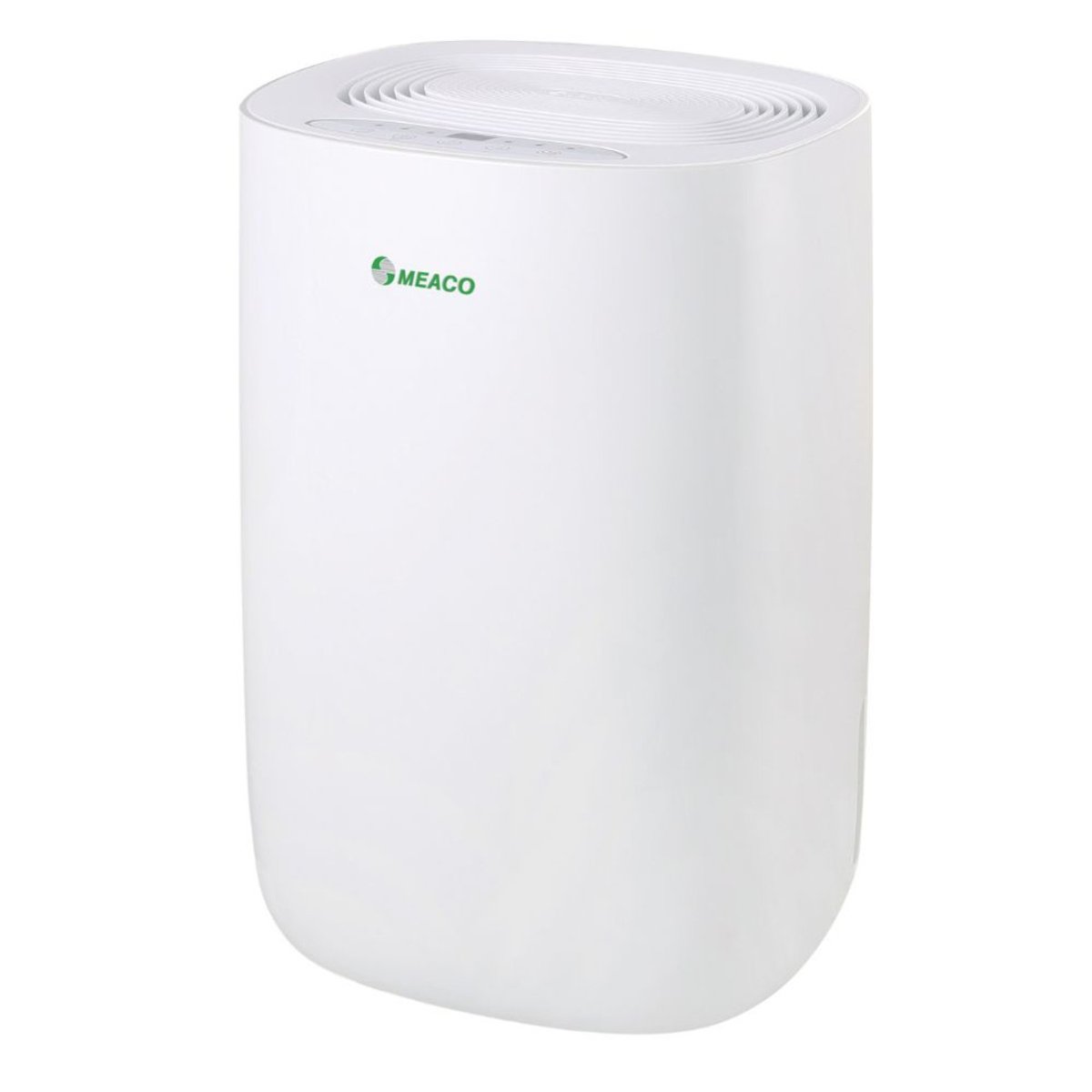
Choose a dehumidifier based on your room size and the level of dampness. A 10L unit is suitable for small homes, flats, or single rooms, while larger homes with persistent condensation or mould typically require a 12L to 20L model. Popular entry-level options include the Meaco ABC and the Dimplex EVERDRI10E.
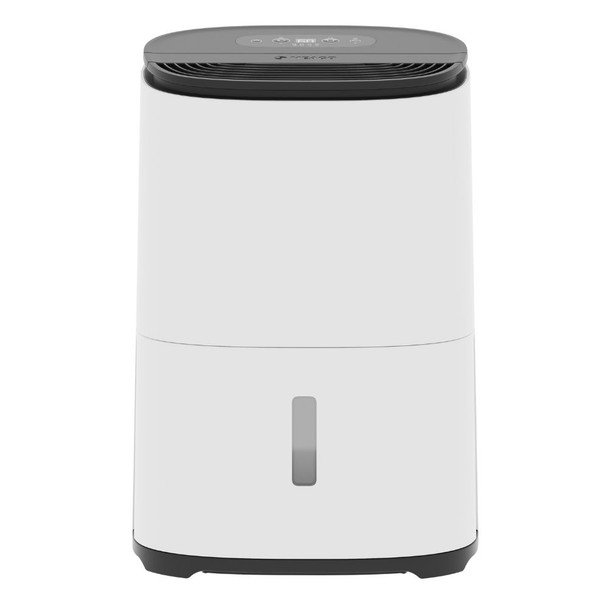
The most energy-efficient dehumidifiers feature an automatic humidistat and low-energy operation. Low-energy models, such as the MeacoDry Arete-1, switch off automatically once the target humidity is reached. This significantly reduces running costs compared to manual units that operate continuously.
Yes, a dehumidifier is an excellent tool for drying clothes indoors while also preventing damp. For the best results, select a model with a dedicated laundry mode or high airflow. This method is often more cost-effective than using a tumble dryer and effectively removes moisture from wet laundry before it can spread throughout the room.
Consider a combined unit if you wish to tackle both moisture and airborne particles like dust or allergens simultaneously. Models such as the MeacoDry Arete-1 come equipped with HEPA filters for this purpose. However, if your primary concern is condensation or mould, a standard dehumidifier will usually suffice.
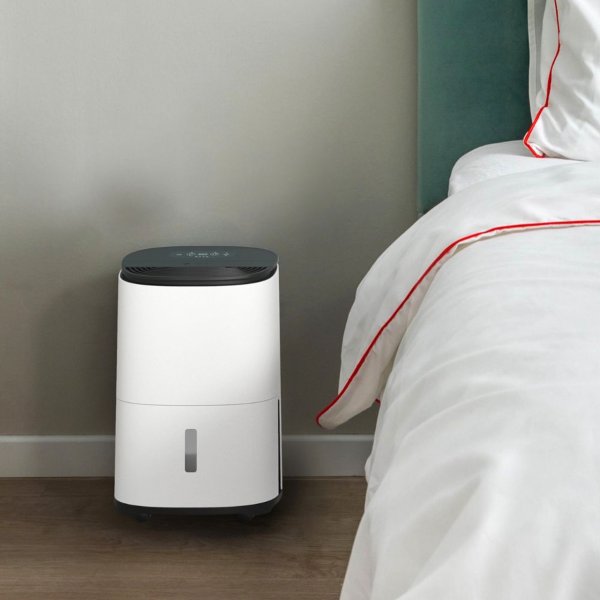
For general humidity control, place your dehumidifier in a central location like a hallway or landing to serve multiple rooms. If you are targeting a specific problem area, position the unit near the source of moisture, such as a laundry drying space or a damp wall. Ensure you leave at least 20-30 cm of clearance around the appliance for optimal airflow.
For a small flat or one to two rooms, a 10L capacity unit is a practical starting point for reducing condensation and preventing persistent damp. The ideal size depends on the severity of the moisture problem. A unit that is too small for the space will require longer runtimes to reach the target humidity, whereas a correctly sized model will control the environment efficiently and without unnecessary strain.
Since moisture control often requires frequent operation, daily electricity usage is as important as the initial purchase price. Energy-efficient options lower long-term running costs, particularly in homes that need continuous support in multiple rooms or ongoing condensation management. Units equipped with an automatic humidistat save energy by sensing the ambient moisture and operating only when necessary. This ensures the appliance reaches the target humidity efficiently, making low-energy models a sensible choice for sustained, unattended use.
For overnight operation in bedrooms or shared living areas, quieter models minimise disruption. Households that frequently dry clothes indoors will benefit from a dedicated laundry mode, which optimises airflow and moisture extraction for wet garments. Alternatively, a combined dehumidifier and air purifier unit can manage both humidity control and overall air quality in a single appliance.
Compressor (or refrigerant) systems effectively handle general home humidity in typical indoor conditions, whereas desiccant technology excels in colder, unheated spaces. We offer reliable 10L models from trusted brands like Simplex and Each, helping you find a unit that resolves your household's condensation and damp issues.