Frequently Asked Questions
Which smart LED bulb base should I choose: E27, GU10, or B22?
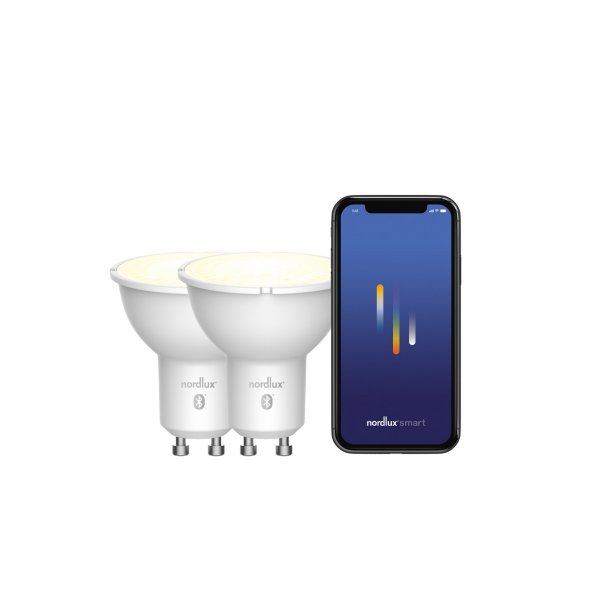
Choose the bulb base that exactly matches your fixture: E27 for standard screw-in lamps, B22 for bayonet fittings, and GU10 for 230V twist-lock spotlights. Verify socket type and mains voltage (e.g., 230 V) before buying to avoid incompatibility or safety issues. If your fixture uses a different base you can sometimes use an approved adapter, but adapters can affect fit, heat clearance, and warranty. When replacing recessed or directional fixtures, check bulb dimensions (GU10 bulbs are typically ~50 mm long; E27 bulbs often 100–120 mm).
What is the difference between RGB, CCT, and RGB+CCT smart LED lights?
RGB bulbs produce full-spectrum colors, CCT bulbs adjust white light between specific color temperatures (typically 2700 K–6500 K), and RGB+CCT bulbs combine both capabilities in one unit. CCT (Correlated Color Temperature) lets you tune warm to cool whites for different tasks and times of day, while RGB enables millions of colors for mood or decorative lighting. Choose CCT for work and reading (2700–4000 K) and RGB or RGB+CCT for entertainment areas. Consider color rendering (CRI) above 80 for accurate whites and skin tones.
Can smart LED lights be used outdoors and what IP rating do I need?
Yes, some smart LED lights are designed for outdoor use; choose an IP rating appropriate to exposure: IP65 is suitable for exposed areas like patios, while IP67 or IP68 is required for temporary or prolonged immersion. IP65 means dust-tight and protected against low-pressure water jets; IP67 indicates protection against immersion up to 1 m for 30 minutes, and IP68 covers continuous immersion under conditions specified by the manufacturer. For wiring and control, prefer models with sealed connectors and outdoor-rated power supplies.
How do I integrate smart LED lighting with Alexa, Google Assistant, or Apple HomeKit?
Integrate smart LED lighting by connecting bulbs to your network or hub, adding them in the manufacturer's app, and enabling the corresponding Alexa, Google Assistant, or HomeKit integration; Matter-certified devices simplify cross-platform control. Typical steps: join bulbs to 2.4 GHz Wi‑Fi or pair via a Zigbee/Thread bridge, assign devices to rooms in the app, enable voice assistant skills or HomeKit pairing, and create scenes or automations. For dozens of devices use a hub/bridge for mesh reliability, and secure your network with a strong Wi‑Fi password and regular firmware updates.
Are dimmable smart LED lights worth it for home lighting?
Yes, dimmable smart LED lights are worth it: dimming improves ambiance, extends perceived lamp life, and can reduce power use by up to about 30% at lower brightness levels, depending on the driver and settings. Dimmable bulbs offer precise control from roughly 10–100% brightness and enable scenes, schedules, and circadian-friendly lighting. If you plan to use a physical wall dimmer, confirm the bulb is explicitly compatible to avoid flicker; otherwise app-based dimming is standard for Wi‑Fi and hub-connected bulbs.
How to choose the best smart LED lighting system
Smart LED lighting transforms your home with complete control, offering dimming, colour adjustments, and automated schedules. Our selection covers every need, from smart LED bulbs and flexible strips to recessed downlights and projectors from brands like Nordlux, Greenlamp, Ener-J, and One Light. Use this guide to choose the right form factor and compatibility for your setup.
The primary challenge when upgrading is choosing the correct form factor to match your fixture and intended use. To ensure a successful installation, match the fixture type to the product form factor before buying and consider these common applications:
- Bulbs (E27/GU10/B22): The simplest upgrade for general room lighting—simply replace your existing lamp.
- Strip Kits: Ideal for coves, backlighting, or under-cabinet accents. Check the required length (e.g., 5m or 13m) and ensure the power supply is included.
- Downlights: Perfect for recessed ceilings. Models like the Ener-J 8W IP65 offer dimmable, colour-changing options for specific installations.
- String Lights & Projectors: Best for outdoor decoration or entertainment, such as a projector with a built-in speaker.
Smart bulb compatibility: E27, GU10, and B22 bases
Before purchasing a smart E27 LED lamp, smart B22 LED lamp, or a smart GU10 LED bulb, verify the socket in your fixture. The most common bases are E27 (screw), B22 (bayonet), and GU10 (twist-lock). Integrated LED fixtures do not have replaceable bulbs. Buying the wrong base is a common mistake that prevents installation. Use this checklist to ensure a proper fit:
- Inspect the Socket: Check your old bulb or the fixture specification sheet to confirm the base type.
- Avoid Adapters: While available, adapters are not recommended for permanent installations as they can affect fit and safety.
- Check Voltage: For recessed spotlights, confirm if you need mains voltage GU10 or low-voltage options.
Key features: dimming, WiFi connectivity, and RGB colour
Beyond the physical fit, consider your control method: app-only, voice integration (check for Alexa/Google compatibility), or physical remotes. Look for Wi-Fi connectivity in brands like Greenlamp and Ener-J for easy, hub-free setup.
- Colour & Mood: Select RGB for vibrant atmospheres, CCT for adjustable white tones, or RGB + CCT for total versatility.
- Brightness: Ignore watts; check lumens to gauge true brightness.
- Outdoor Use: For garden or soffit lighting, ensure the product is rated IP65 for water resistance.
Explore our range of smart LED lighting from trusted brands like Nordlux, Greenlamp, Ener-J, and One Light. Use the filters to select your Colour Temperature (CCT) or Lamp Holder, and verify compatibility on individual product pages to ensure a successful installation.
Call us on
021 4975201