Home Security Cameras

Secure Your Home with the Best Home Security Cameras in Ireland 

Discover our wide range of home security cameras designed to keep your property safe and monitored. Whether you're looking for wireless CCTV cameras for your house, outdoor security cameras for your home, or the latest in smart video doorbells, we have reliable, easy-to-install options that suit every need. Shop top-rated CCTV cameras for houses across Ireland and enjoy peace of mind with advanced features and dependable performance.

Frequently Asked Questions

How do I choose the best home security camera system for my house?

To choose the right system, focus on these key features: a minimum of 1080p (Full HD) resolution, or 2K/4K for clearer long-range identification; 500 GB-1 TB of local storage or a cloud plan with 30-90 days of retention; and an IP65 rating or higher for outdoor cameras (IP stands for Ingress Protection). Prioritise wired systems for reliable, 24/7 recording, or opt for Wi-Fi/battery models for straightforward DIY installation. A typical 3-4 camera kit with 1080p resolution and a 500 GB recorder costs approximately €200-€600. When you order from us, you'll benefit from free delivery on orders over €100. Always check for a solid warranty; at MCK Electrical, we handle returns for faulty goods within the manufacturer's warranty period.

Camera Type - Choose video doorbells for front-door interaction and 1080p video; use dome or bullet cameras for general surveillance, depending on visibility and range. Connectivity - Wired gives continuous power and minimal dropouts; Wi-Fi or battery models allow DIY placement and easier installation. Storage - Local 500 GB-1 TB HDD/SSD avoids subscriptions; cloud plans typically cost extra per month and offer 30-90 day retention. Weatherproofing - Select IP65 or higher for outdoor use; choose IP66/IP67 for very exposed locations.

Wired vs wireless home security cameras: which is better for home use?

Your choice depends on your priorities. Opt for a wired system if you need continuous 24/7 recording, superior reliability, and support for multiple cameras (4-16) with a 500 GB-2 TB NVR. Choose a wireless system for simple DIY installation and flexible placement, with battery life typically ranging from one week to six months, depending on usage. Wired setups minimise video dropouts and bandwidth problems, whereas wireless systems trade some reliability for easier placement and a lower installation cost. Whichever you choose, we process all orders within 1-2 business days, so you can get your system up and running quickly.

Wired Systems - Offer stable streams, continuous power, and easy continuous recording with 500 GB-2 TB recorders; ideal for 4-16 camera setups and minimal Wi-Fi dependency. Wireless Systems - Provide simple DIY installation and flexible placement; battery models can last 1 week-6 months depending on motion events and resolution but depend on Wi-Fi quality.

What does an IP65 rating mean for a security camera?

An IP65 rating signifies that the camera is 'dust-tight' and protected against low-pressure water jets. The 'IP' stands for Ingress Protection. The first digit, '6', confirms complete protection from dust, while the second digit, '5', indicates protection from water projected by a nozzle from any direction. This makes IP65-rated cameras suitable for many sheltered outdoor locations, such as under eaves or on porches. For fully exposed areas, we recommend choosing a camera with an IP66 or IP67 rating for greater water resistance.

Ingress Protection (IP) - '6' means dust-tight; '5' means protection from low-pressure water jets. For exposed areas, consider IP66 or IP67 for stronger water resistance and longer durability.

Is 1080p HD resolution sufficient for home security cameras?

Yes, for most homes, 1080p (Full HD) resolution is perfectly sufficient. It allows for the clear identification of faces and vehicle number plates at short to medium distances. For larger properties or where long-range identification is necessary, consider upgrading to 2K (1440p) or 4K. Bear in mind that higher resolutions require more bandwidth and storage space. A 1080p stream uses around 2-6 Mbps per camera, and 2K/4K footage will need 2-4 times more storage. As a guide, a 500 GB recorder can typically store 7-14 days of continuous 1080p footage from 3-4 cameras, depending on the compression and frame rate.

When to choose higher resolution - Opt for 2K/4K when you need to identify details at longer distances or cover large yards; budget for 2-4x more storage and higher bandwidth.

What's the difference between dome and bullet security cameras?

The main differences are their design and typical application. Dome cameras are more discreet and tamper-resistant, making them ideal for indoor areas or subtle outdoor mounting. Bullet cameras are more visible and their shape is better suited for longer-range outdoor views, acting as a noticeable deterrent. Both styles are available in resolutions from 1080p to 4K with various weatherproofing options. If you're unsure which is best for your needs, remember our returns policy allows you to return any item you no longer require within 28 days of dispatch, provided it's in its original, resalable condition.

Dome Cameras - Housed in a dome for discreet mounting and tamper resistance; good for indoor ceilings and sheltered outdoor spots, available in 1080p-4K and IP65 or higher. Bullet Cameras - Cylindrical and visible, typically used for driveways and gardens for longer-range views; often weatherproof (IP65+) and available in 1080p-4K.

What are the pros and cons of local storage vs cloud storage for security cameras?

Local storage, such as a 500 GB-2 TB hard drive in an NVR, offers greater privacy and has no recurring fees. Cloud storage provides convenient remote access and off-site backup, usually with 30-90 days of retention. The main trade-off is risk versus cost. With local storage, your footage is kept on your property but could be lost if the recorder is stolen or damaged. Cloud storage protects against physical loss but typically involves a monthly subscription fee per camera and relies on a stable internet connection. You should balance cost, convenience, and security when making your choice.

Local Storage - No subscription fees, greater privacy, and continuous recording with 500 GB-2 TB NVRs, but footage can be lost if the device is stolen or damaged. Cloud Storage - Offers remote access and off-site backup with 30-90 day retention; expect to pay a monthly fee per camera and rely on a stable internet connection.

How long does the battery last on a rechargeable security camera in real use?

In real-world use, battery life can range from one week to six months. The actual duration depends heavily on usage factors like the frequency of motion events, recording resolution, and even cold temperatures, which can shorten the runtime. For most battery-powered cameras, moderate activity will provide 1-3 months of operation, while heavy use with constant recording can reduce this to just 1-2 weeks. Manufacturers' advertised runtimes can be optimistic, so it's always wise to check independent reviews and consider how often you are prepared to recharge the battery.

Factors affecting battery life - Motion event frequency (e.g., 10-100 events/day), video resolution, recording length, temperature (cold reduces capacity), and wireless signal strength all directly impact runtime.

Choosing the best home security camera for your property

The first step in building your system is deciding which areas you need to cover. A common mistake is assuming a single device is sufficient for full property protection. To eliminate blind spots, always match the camera type to your specific mounting location and desired field of view.

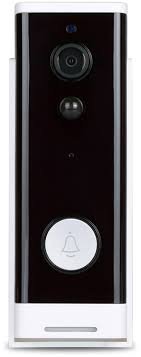
  • Video doorbell camera: best for front-door visitor identification and convenient two-way talk.
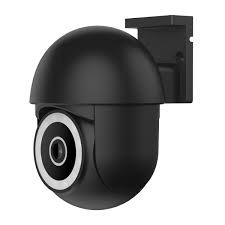
  • Dome security camera: ideal for discreet mounting, offering general surveillance for porches or living rooms.
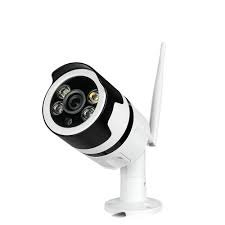
  • Bullet security camera: a great choice for longer-range outdoor views, perfect for monitoring your garden or driveway.
  • 4-channel camera kits: the ideal solution for whole-property monitoring, providing complete coverage in a single package.

Before making your final choice, always check if the product is outdoor-rated and ensure you have the necessary mounting accessories for your specific location. With our straightforward 28-day returns policy for items no longer required, you can purchase with confidence, provided the product is in its original, resalable condition.

Wired vs wireless: power and installation for your security camera

Choosing between wired and wireless setups often means balancing installation difficulty with long-term reliability. Ensure uninterrupted surveillance by matching the system to your DIY comfort level and monitoring goals.

  • Wired systems: Choose wired connections for permanent installations and multi-camera setups. They offer excellent stability for continuous recording, though they require more effort to install.
  • Wireless and battery options: Opt for Wi-Fi security cameras or a rechargeable security camera if you need flexibility. These are excellent for temporary monitoring or in hard-to-cable spots, making them an easy DIY solution.

While wireless home security cameras offer great convenience, they depend heavily on your Wi-Fi signal strength. If you opt for a battery-powered model, be sure to verify the manufacturer's battery life claims by checking independent tests to ensure it meets your expectations.

Security camera kit considerations: storage and weatherproofing

Retaining important video evidence and ensuring your equipment survives the elements are key factors. When saving your footage, you have several options, each with its own pros and cons regarding privacy, cost, and retention time.

  • Storage type: A security camera with local storage, such as a 500GB security camera kit from ESP, allows you to avoid recurring cloud subscription fees. Alternatively, cloud storage offers off-site backups.
  • Retention needs: Estimate how much footage you need to keep. Local hard drives provide limited storage depending on your resolution and recording mode.
  • Weatherproofing (IP rating): An IP65 security camera is well-suited for sheltered outdoor areas, but you should consider higher IP ratings for highly exposed sites.
  • GDPR considerations: If your cameras capture public areas, be mindful of privacy implications and data protection rules.

Planning these elements carefully ensures your security camera kit performs reliably, whatever the weather, while keeping your data secure.

Compare our range of home security cameras and use the filters to narrow down your options by type, power source, and included storage. With orders processed within 1-2 business days and free delivery on purchases over €100, you can have your new system up and running in no time. Check individual product specifications and customer reviews to find the exact match for your property. If you are installing cameras outdoors, remember to review the Data Protection Commission guidance for Ireland regarding privacy and legal considerations.